Nov. 28, 2025
Silicone Cross-Slit Valve: Industry Applications & Complete Buyer's Guide
In everyday products like ketchup bottles, cosmetic tubes and travel containers, a tiny component plays an essential role—the silicone cross-slit valve. Designed for precise flow control, excellent sealing, and reliable leak prevention, this small valve has become a critical part of modern packaging across multiple industries.
1. What Makes a Silicone Cross-Slit Valve Unique?
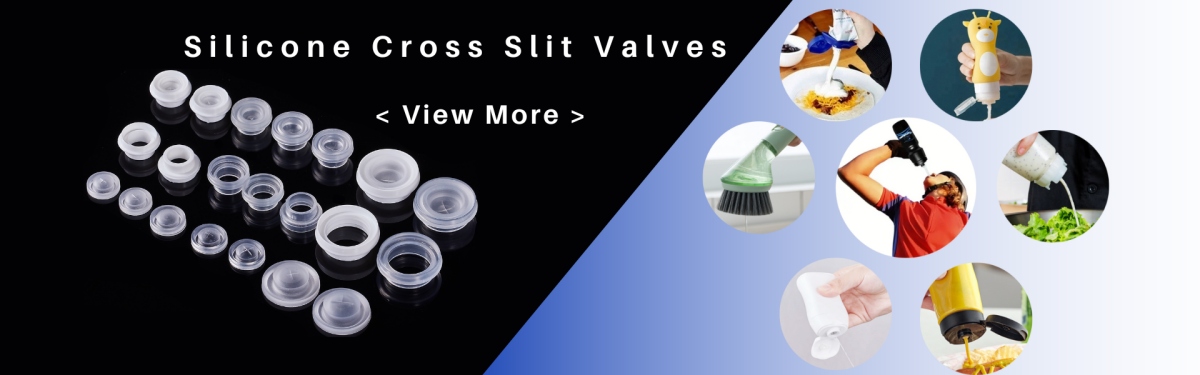
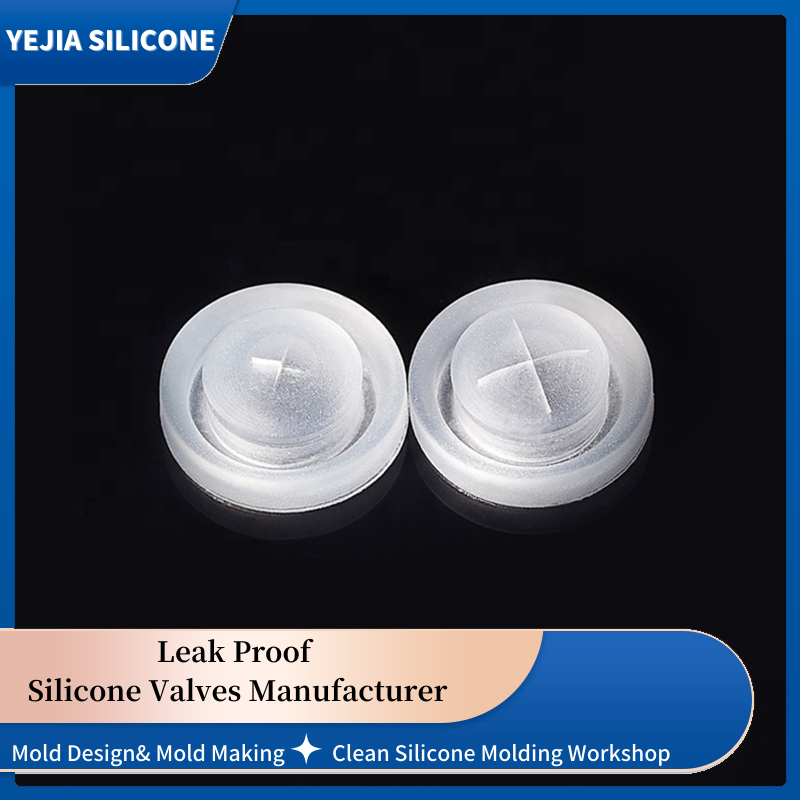
A silicone cross-slit valve is made from food-grade liquid silicone rubber (LSR) using precision injection molding. Its most important feature is the cross-shaped slit on the valve surface.
Normally-Closed Design:
The cross-slit works like a sealing ring, and it stays tightly sealed under normal conditions, preventing leaks, blocking air ingress, and protecting the contents from contamination.
Opens Under Pressure:
When the container is squeezed, the slit opens instantly to dispense the product smoothly, then closes immediately when pressure is released.
Compared with standard silicone valves, cross-slit valves require stricter precision control and consistent performance. High-quality versions are made from materials that comply with FDA and LFGB standards for direct food and cosmetic contact, ensuring safety and reliability.
2. Wide Industry Applications
(1) Food & Beverage Packaging
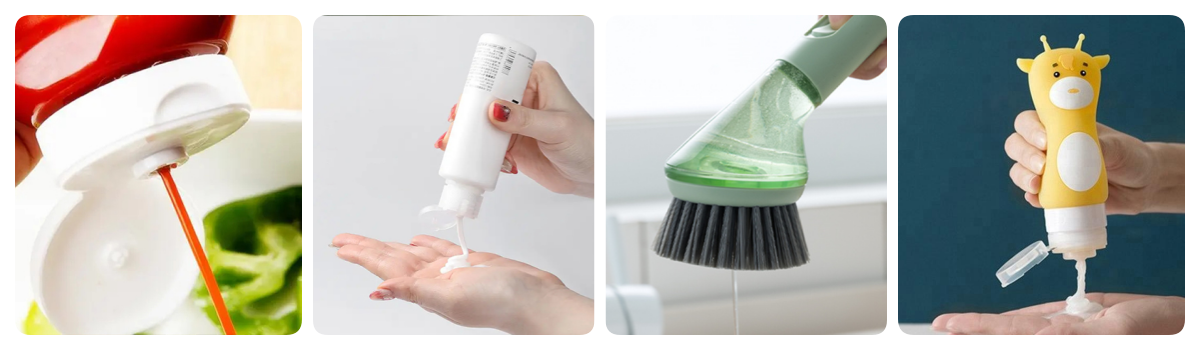
Silicone cross-slit valves are widely used in tomato ketchup, salad dressings, condiments, honey and syrup bottles.
They help:
(2) Personal Care & Cosmetics
Shampoos, shower gels, lotions, creams, and skincare tubes benefit from:
(3) Sports & Travel Products
Used in sports water bottles, portable travel containers, and on-the-go packaging:
● Leak-proof during movement
● Opens only when squeezed or sucked
● Ideal for backpacks, gyms, and outdoor use
(4) Medical & Healthcare
With excellent biocompatibility and sterilization resistance, cross-slit valves are suitable for:
3. Advanced Manufacturing Process
High-quality silicone cross-slit valves are produced through LSR injection molding, ideal for large-scale production. Each line can produce up to 200,000 pcs/day, meeting high-demand supply requirements.
Key manufacturing steps include:
● Automatic Slitting & Punching: Ensures precision cross-slit alignment
● Tight Dimensional Tolerance Control
● AOI (Automatic Optical Inspection): Measures slit width, shape, and position
● 24/7 Leak Testing: Ensures no leakage throughout continuous pressure cycles
The final result is a valve with reliable sealing, consistent performance, and long-term durability.
4. Why Choose YEJIA Silicone Cross-Slit Valves?
(1) Premium Materials & Global Certifications
YEJIA uses LSR materials from trusted suppliers like WACKER and Dow, and products are certified with:
Ensuring global compliance and safety for food and cosmetic applications.
(2) Precision Engineering & Consistent Quality
● Wall thickness tolerance within ±0.03 mm
● Highly accurate slit dimensions
● Superior leak-proof and dispensing performance
(3) Strict Quality Control
YEJIA operates with:
● Full automatic inspection lines
● Complete testing reports
● Stringent process control from mold-making to final production
(4) Extensive Industry Expertise
With rich experience in medical, automotive, and food packaging, YEJIA understands diverse application needs and offers tailored solutions.
5. Key Factors When Choosing a Silicone Cross-Slit Valve Supplier
(1) Capacity & Minimum Order Quantity
● Standard MOQ: 50,000 pcs
● Large suppliers offer up to 10 million pcs/month capacity
Choose a supplier that matches your production scale.
(2) Customization Capabilities
A reliable supplier should offer:
● Various sizes (9.8mm, 10.5mm, 13mm, 16.5mm, 18mm, 21mm, etc.)
● Custom hardness, color and slit dimensions
● Tailored solutions for specific viscosity requirements
(3) One-Stop Manufacturing Service
YEJIA provides:
Greatly simplifying project management and reducing overall costs.
(4) Compliance & Industry Certifications
Depending on the target industry, certifications may include:
These certifications ensure product reliability and regulatory compliance.
A silicone cross-slit valve may be small, but behind it lies advanced material engineering, precision manufacturing, and strict quality control. When selecting a supplier, material safety, production accuracy, and industry expertise are far more important than price alone.
Choosing the right silicone valve partner ensures better product performance, stronger market competitiveness, and long-term business success.