Application and Development Trend of Silicone Optics in Pixel Automotive Lighting
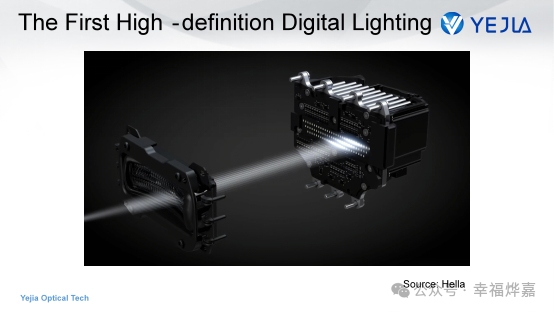
About a decade ago, HELLA introduced the world's first pixelated automotive headlamp, marking a major milestone in intelligent vehicle lighting. One of the key innovations of this system was its high-resolution LED module, consisting of 84 individually controlled high-performance LEDs arranged in three rows, enabling precise pixel-level light control in modern pixel headlamp optics.
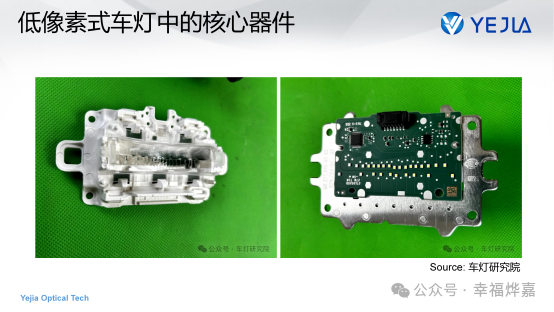
A critical optical breakthrough in this system was the introduction of the silicone optics, also known as a light guide silicone lens, as a core component within automotive silicone optics. Leveraging the excellent light-guiding and beam-shaping capabilities of silicone optical lenses, this structure efficiently collimates and redistributes light emitted from multiple LEDs, significantly improving optical efficiency and illumination performance.
How Silicone Optics Improves Automotive Lighting Performance
In pixel lighting systems, the silicone optics or silicone light guide lens plays a crucial role in optical control and system performance:
Efficient collimation of LED light sources to minimize optical loss
Precise beam shaping for customized light distribution
Improved illuminance uniformity and color consistency
Full support for dynamic control in adaptive driving beam optics (ADB) systems
With this advanced optical architecture, both low beam and high beam functions can be digitally controlled without mechanical movement, greatly enhancing response speed, reliability, and system durability.
Evolution of Automotive Silicone Optics in ADB Modules
Over the past decade, the automotive lighting industry has continuously optimized automotive silicone optics to improve system efficiency while reducing cost.
In advanced adaptive driving beam optics, optimized optical architectures combine a reduced number of LEDs with highly efficient LSR optical components, such as silicone opticses and integrated silicone optical lenses.
This innovation brings several key advantages:
Higher module integration
Reduced system size and weight
Lower overall manufacturing cost
Improved optical performance consistency
As integrated low beam solutions become standard, silicone optics has rapidly expanded across next-generation pixel headlamp optics, becoming a core pathway in intelligent automotive lighting design.
YEJIA's Manufacturing Capabilities for Silicone Optical Components
With the rapid growth of intelligent lighting systems, YEJIA has established a mature and scalable production system for LSR optical components, including silicone optics, silicone matrix, and silicone light guide solutions, with a monthly capacity of up to 500,000 units.
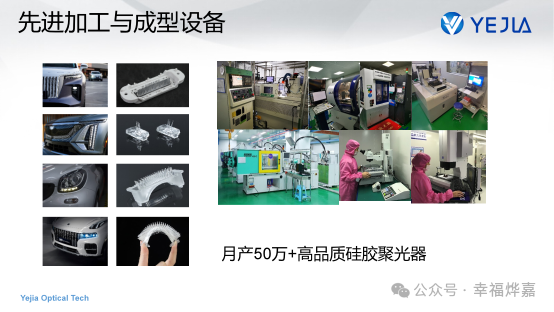
Our integrated manufacturing capabilities include:
High-precision mold design and tooling fabrication
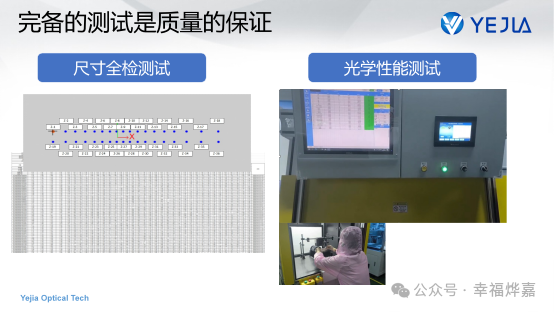
Advanced LSR (Liquid Silicone Rubber) precision molding for optical-grade parts
Full optical performance testing and validation systems
From tooling to molding and inspection, we ensure high precision, consistency, and reliability across all automotive silicone optics products.
Today, our silicone optical lenses and silicone optics solutions are widely adopted by leading automotive lighting manufacturers and have been successfully implemented in mass-production vehicle programs worldwide.
How to Evaluate Silicone Optics Quality
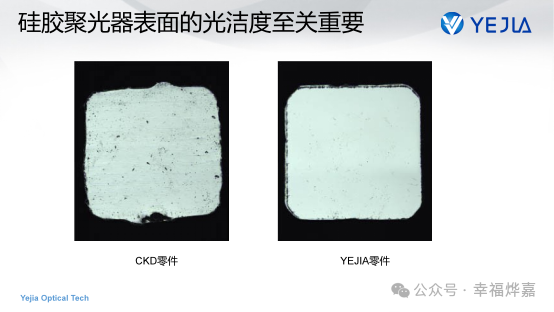
A practical method to evaluate the quality of a silicone optics is to inspect the light input surface under a microscope.
Due to the complex comb-like microstructure of silicone optical components, any issues in:
will be directly reflected on the optical surface, such as:
These defects can significantly impact key optical performance metrics, including:
In comparative projects, YEJIA's LSR optical components demonstrate superior surface finish and micro-structure precision, highlighting our expertise in tooling accuracy and advanced silicone molding technologies.
High-Performance Optical System: Silicone Optics + Precision Lens Design
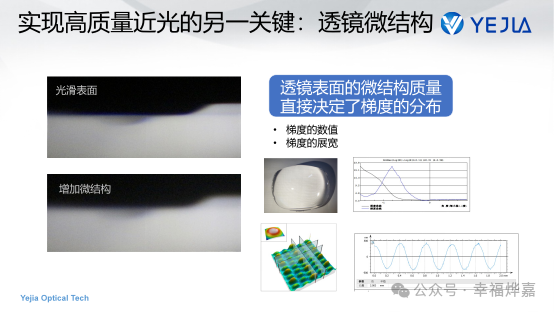
Achieving high-quality low beam performance requires not only a silicone optics, but also integration with high-precision silicone optical lenses and projection optics.
Key technical factors include:
1. Precision Optical Lens Manufacturing
2. Micro-Structured Optical Design
3. Pixel-Level Optical Control
Through the synergy of silicone light guide technology, silicone light guide lenses, and precision optics, superior optical performance and system stability can be achieved.
Visit YEJIA – Explore Advanced Silicone Optics Solutions
With the rapid advancement of intelligent automotive lighting, silicone opticses, silicone light guides, and LSR optical components are becoming essential in pixel headlamp optics and adaptive driving beam optics systems.
We sincerely invite you to explore our latest innovations in automotive silicone optics, including:
We look forward to discussing future opportunities in next-generation automotive lighting technology.
Exhibition: Automotive Lighting Exhibition (ALE)
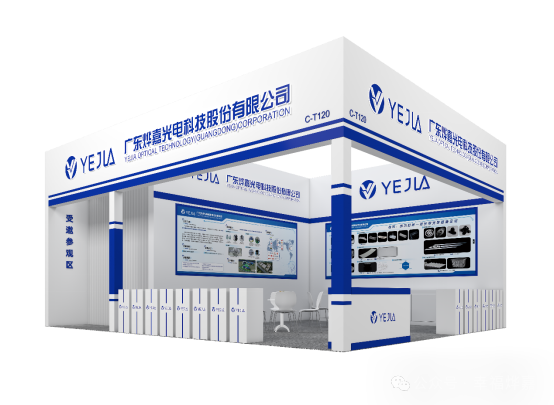
Booth: C-T120
Showcase: Silicone light guide lenses, silicone optics, custom optical solutions